
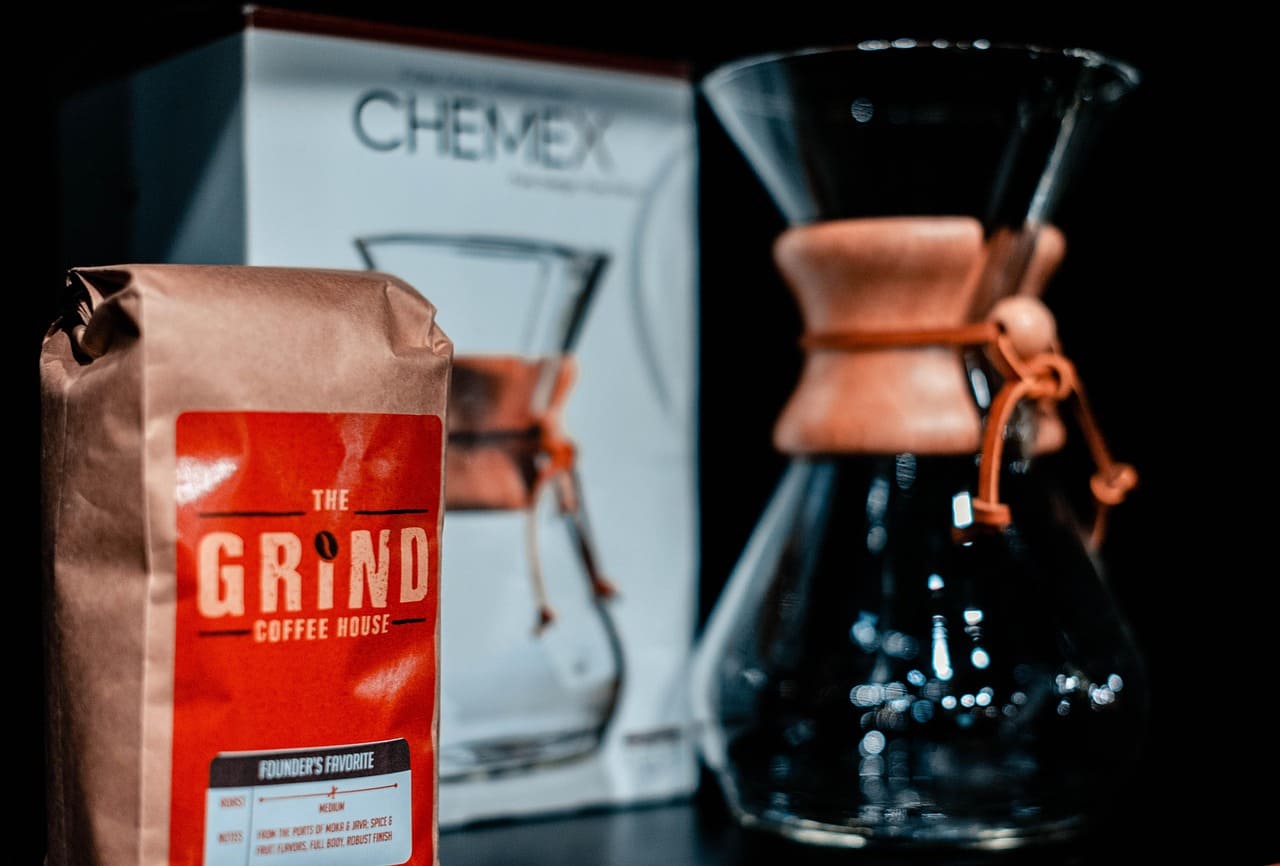
Pour over coffee has become a favorite for coffee lovers who enjoy slowing down and paying attention to the details in their cup. Instead of pressing a button and walking away, you stand with your kettle, watch the grounds bloom, and guide the water by hand. This brew over coffee method highlights clarity and nuance, letting you taste subtle floral, fruity, or chocolate notes that might get lost in other brewing styles. While creamy blended drinks like a frappuccino turn coffee into dessert, pour over celebrates the beans themselves, offering a clean, focused flavor.
What Is Pour Over Coffee?
At its heart, pour over is a manual form of drip over coffee. Hot water is poured in stages over freshly ground coffee sitting in a filter inside a coffee dripper. Gravity pulls the water through the grounds and filter, and the brewed coffee collects in a mug or carafe below. Because you control the speed and amount of water, you can fine-tune extraction and bring out different characteristics in the beans.
Many home brewers use a gooseneck kettle—such as a fellow kettle—to get precise control over the pour. The narrow spout helps you direct water where you want it, gently wetting the entire coffee bed. Paper filters produce a clean, bright cup with light body, while metal filters allow more oils through, creating a richer texture.
Grind size is critical. Too fine and the water moves slowly, often causing over-extraction and bitterness; too coarse and the water rushes through, leaving the coffee weak or sour. A medium-fine grind is usually a good starting point, with small adjustments based on taste and brew time.
The Pour Over Ritual Step by Step
A typical pour over routine starts with heating water to about 195–205°F (90–96°C). While the water warms, you place your coffee dripper on a mug or carafe and rinse the filter with hot water. Then you add freshly ground coffee—often in a ratio of about 1 gram of coffee to 15–17 grams of water.
Next comes the bloom. You pour a small amount of water over the grounds, just enough to wet them evenly. The coffee releases trapped gas and swells. Letting the bloom sit for about 30 seconds helps prepare the grounds for even extraction. After that, you continue to brew over coffee in gentle stages, pouring in slow circles until you’ve reached your total water amount.
The entire process usually takes around three minutes. During that time, you’re not just waiting—you’re involved. You watch how quickly the water drains, adjust your pour if things slow down, and notice how the aroma changes. It becomes as much a calming ritual as it is a brewing method.
Why People Love Pour Over
Pour over’s biggest appeal is flavor clarity. Because the water moves steadily through a fresh bed of grounds, it often extracts more evenly than some automatic methods. Many coffee drinkers find that single-origin beans really shine with pour over, revealing notes like berry, citrus, cocoa, or toasted nuts.
Control is another advantage. With a simple setup—a coffee dripper, a kettle, and maybe a scale—you can experiment with different recipes. Changing the grind, dose, or water temperature lets you adjust sweetness, acidity, and strength without complicated equipment. A fellow kettle or similar gooseneck model simply makes it easier to be precise.
Pour over also encourages mindfulness. It asks you to stand still for a few minutes, focus on a single task, and enjoy the process. For some, it becomes a daily meditation; for others, it’s a treat reserved for slow mornings.
Bringing Pour Over Into Your Routine
You don’t need to abandon other coffee styles to enjoy pour over. It fits alongside your usual habits. Maybe you use an automatic machine on busy weekdays and switch to pour over on slower days. Or you might brew a clean cup in the morning and save sweeter, treat-like drinks—maybe even a frappuccino—for the afternoon.
Starting is simple: choose a basic cone-shaped coffee dripper, grab filters, and practice with a single recipe until it feels natural. Over time, you can explore different drippers, filters, and beans. Each tweak shows how much possibility lives inside a scoop of ground coffee and a careful pour.
In the end, pour over coffee is about more than technique. It’s about taking a few extra minutes to honor the ingredients in your cup and enjoy the quiet moments in between.